The horror genre has been used for several hundreds years, starting with old legends told around a fire in the Stone Age to frighten one's friends and family, this turned into scary stories parents use to teach children morals, norms and values.This then progressed into classic literature like Mary Shelley's Frankenstein, or Bram Stoker's Dracula.
The first horror film published was Le Manoir du Diable by french director Georges Méliès.It runs for the total of 3 minutes, much shorter than horror films today.It doesn't feature many of the conventions of horror as we see it today, however it is the first film in history to be classified as horror.
Even in the earliest stages of film, the horror genre has always been established in the film industry, although it was referred to as 'horror' until the 1930s. In the Silent Movie era Horror films were still a relatively unknown genre, films like The Cabinet Of Dr Caligari (1919) or The Golem (1920). Films like this shocked audiences for their shocking and sometimes gruesome content, starting a trend continued to this day.
+1947+Re-Release.jpg) With the arrival of sound in the film industry, the horror genre prospered greatly, adding gruesome sound effects like screams or slashing noises and music to build tension. The surreal visual imagery was replaced or even joined by grunting and ghostly screams, scaring the audience further. These films were set in far off lands, with foreign period costume creating an atmosphere similar to that of fairytales to take the populations minds off war and the Great Depression. Both Dracula and Frankenstein were made in 1931 showing the large increase in popularity of Horror in the 1930s.
With the arrival of sound in the film industry, the horror genre prospered greatly, adding gruesome sound effects like screams or slashing noises and music to build tension. The surreal visual imagery was replaced or even joined by grunting and ghostly screams, scaring the audience further. These films were set in far off lands, with foreign period costume creating an atmosphere similar to that of fairytales to take the populations minds off war and the Great Depression. Both Dracula and Frankenstein were made in 1931 showing the large increase in popularity of Horror in the 1930s.
Several Other legendary Horror films were created at this time such as The Mummy (1932), Freaks (1932), King Kong (1933) and The Bride of Frankenstein (1935).
In the 1940s Horror films were banned in the UK due to world war 2. The government wanted to keep up society's sprits during the war so chose to ban any media that would cause unnecessary pain to it's audiences for example sad, crooning music and of course horror films.
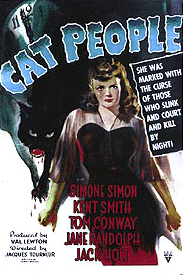 America however continued making horror films through World War 2. While the films made at this time didn't stray from the conventions or style of horror in the 1930s there was unusual focus on domestic animals, perhaps wanting to avoid the theme of human evil during such a dark time for the country with world war 2 and the great depression, some examples of these films are The Wolf Man (1941) and Cat people (1942).
 There were of course exceptions to this, Films which still contained violence and focused on the cruel side of humanity were still produced for example dr Jekyll And mr hyde.
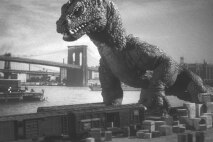 The 1950s horror films focused most on creatures and monsters, many ex soldiers were still traumatised from the war, suffering from Shell shock and many other horrible trauma conditions that came from the war. few people wanted to see human corruption or mental illness, so Hollywood focused on monsters, and with techniques and technology developing as it was, these films became immensely popular.
 These films focused around mutant animal-human combinations, dinosaurs Or giant wasps. People were amazed by the technical effects which were shocking and novel at the time. some examples of this are Godzilla (1954), The beast from 20,000 fathoms (1953) or The creature of the black lagoon (1954).
The 1960s is arguably one of the best eras for the horror genre, the decade redefined what people considered horrific and acceptable. It's the era of the sexual revolution, society coming to terms with premarital sex, cohabitation and homosexuality, this reflects in the films of the time, which now suggest sex and premarital relationships allowing psychological horror films to add a sexual element to the disturbing nature and content of the film. This promiscuity is demonstrate in Hitchcock's Psyco. The 1960 specialised in psychological thrillers, focusing on cold killers with disturbing motives.
One of the most famous and controversial horror films of the decade, it features graphic violence, sex and nudity, for the times this was consider outrageous and it was questioned if the film would even be released due to all the controversies but was eventually released. This film was extremely shocking because it broke the structure that audiences had come to expect of horrors films; the protagonist Marion Crane was killed in the first half of the film, this surprise has arguably made the scene the most famous in the history of horror.
Psyco was also quick shocking for the time because unlike other horror films where the antagonists was a monster or hideous old man, the antagonist was a handsome young man the audience believed to be a 'good guy'. His relationship with Marion Crane adds a further disturbing connotation because it gave the audience a feeling of violation and misplaced trust.

Other famous films of the era include The Birds (1963), Carnival of Souls (1962) and Night of the Living Dead (1968).
The 1970s had similar themes to the 1960s but became a lot darker, themes of spousal abuse, position and insanity hit the screen, giving films a darker element. Films like The Shining are more terrifying than usual psychological thriller/horror films because we are introduced to a protagonist for example Jack Torrance as a kind, good character who we learn to empathise with and care for, who then ultimately becomes the villain leaving the audience conflicted about what they want to happen.
Other films like Stepford Wives (1975) rely on disturbing concepts to make their films memorable and horrific.
Other famous films of the decade includes Carrie (1976), Stepford Wives (1975), Alice, Sweet Alice (1976) and The exorcist (1973).

The 1980s are famous for graphic violence and death in horror films and example of this would be Nightmare on Elm Street (1984). The villain is graphically hideous with decaying skin and razors embedded in his fingers which is disturbing in its self but it is the graphic violence of the deaths in the film that made it famous.

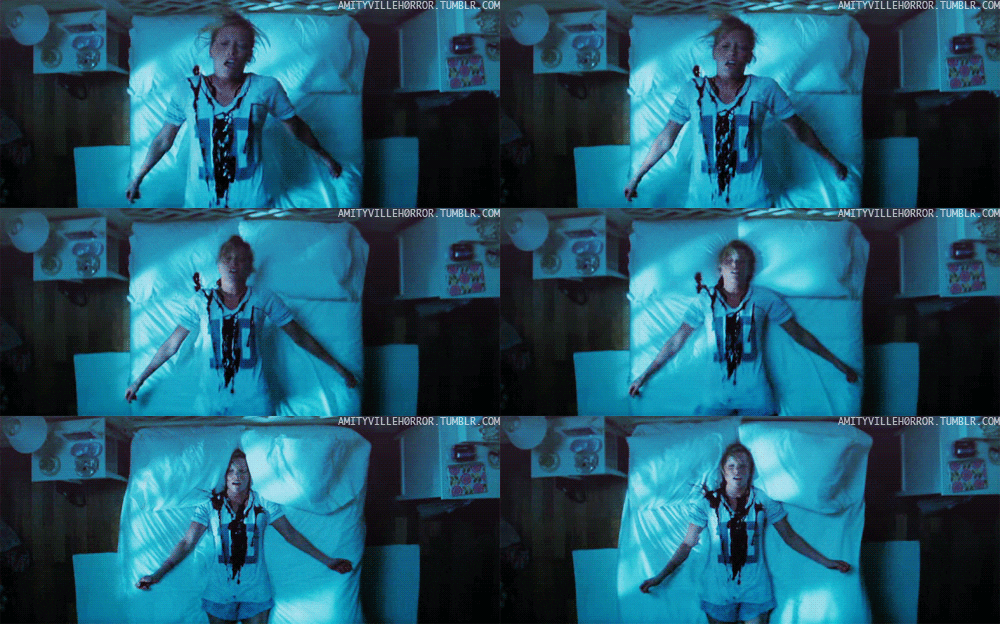
The 1990s also focused on psychopathic antagonists favoured from the 60s onwards. There is a great deal less censorship than in years before allowing villains to kill the antagonists the most gruesome of ways.
Silence of the Lambs (1991) shows a disturbing side of human nature, going into depth about cannibalism which is graphically shown in the film. It almost stylises cannibalism making the detail shown all the more disturbing for the audience.

One of the key horror films of the 90s is Scream (1996). The masked face terrifying it's audience and becoming an iconic symbol of horror. The film is filled with cliches but that is what made it so successful, audiences could guess the film structure and twists with key themes for example slashing, masks etc.

 In the last 15 years have seen an range of different sub-genres of horror, a majority of these have been thriller, or sudden action films designed to shock their arguments and build tension.
 Popular Horror Films in the 2000s.
- Final Destination
- 28 days later
- Halloween:Resurrection
- Paranormal Activity
- The Conjuring
- Saw
- Carrie (Remake)
- The Woman in Black

No comments:
Post a Comment